Cash Flow Management for QuickBooks Online

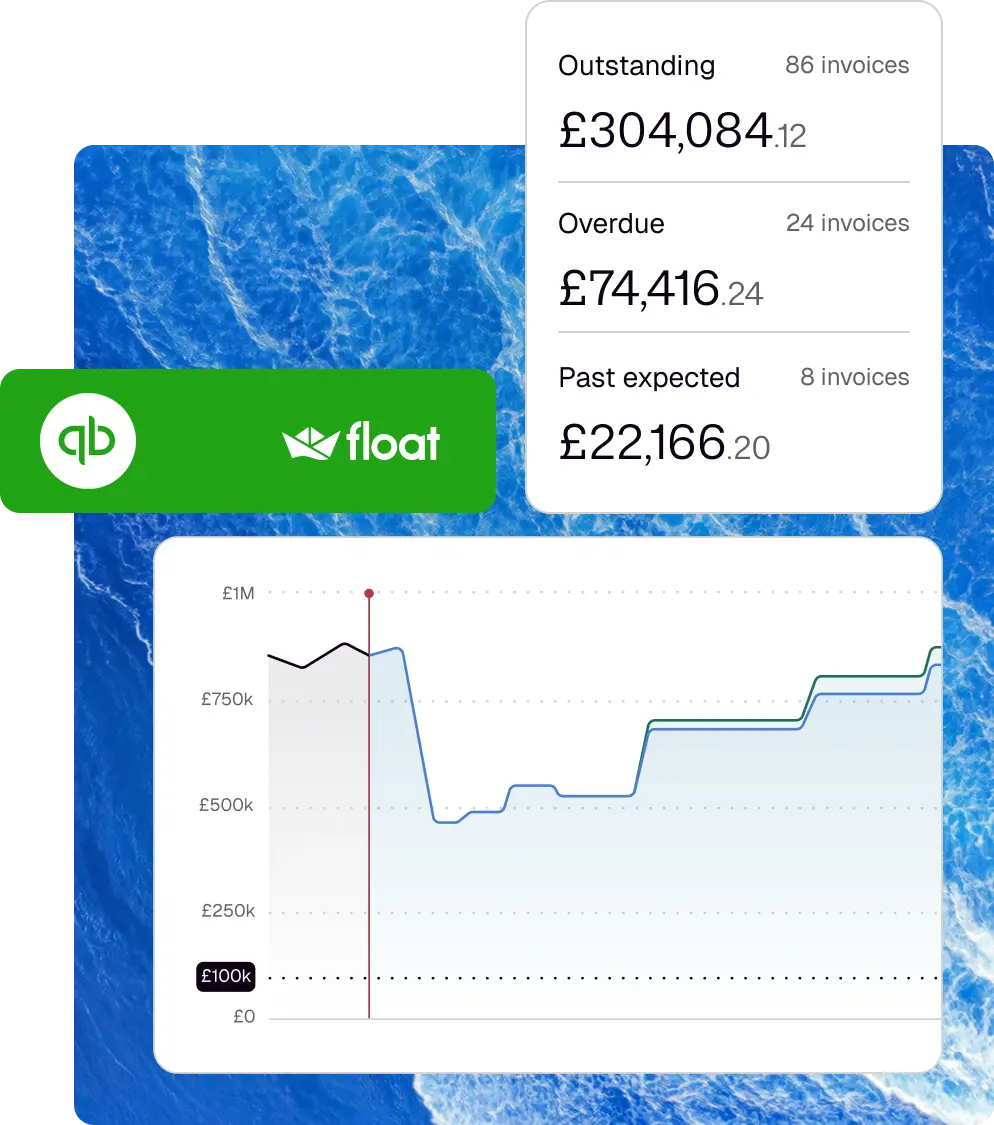
Your QuickBooks data, turned into a forecast that never goes stale
The connection is one-way and read-only: Float can see your QuickBooks data, but can never change it.


Connect

Set your budgets

Forecast
Everything you need to manage cash,
in one view
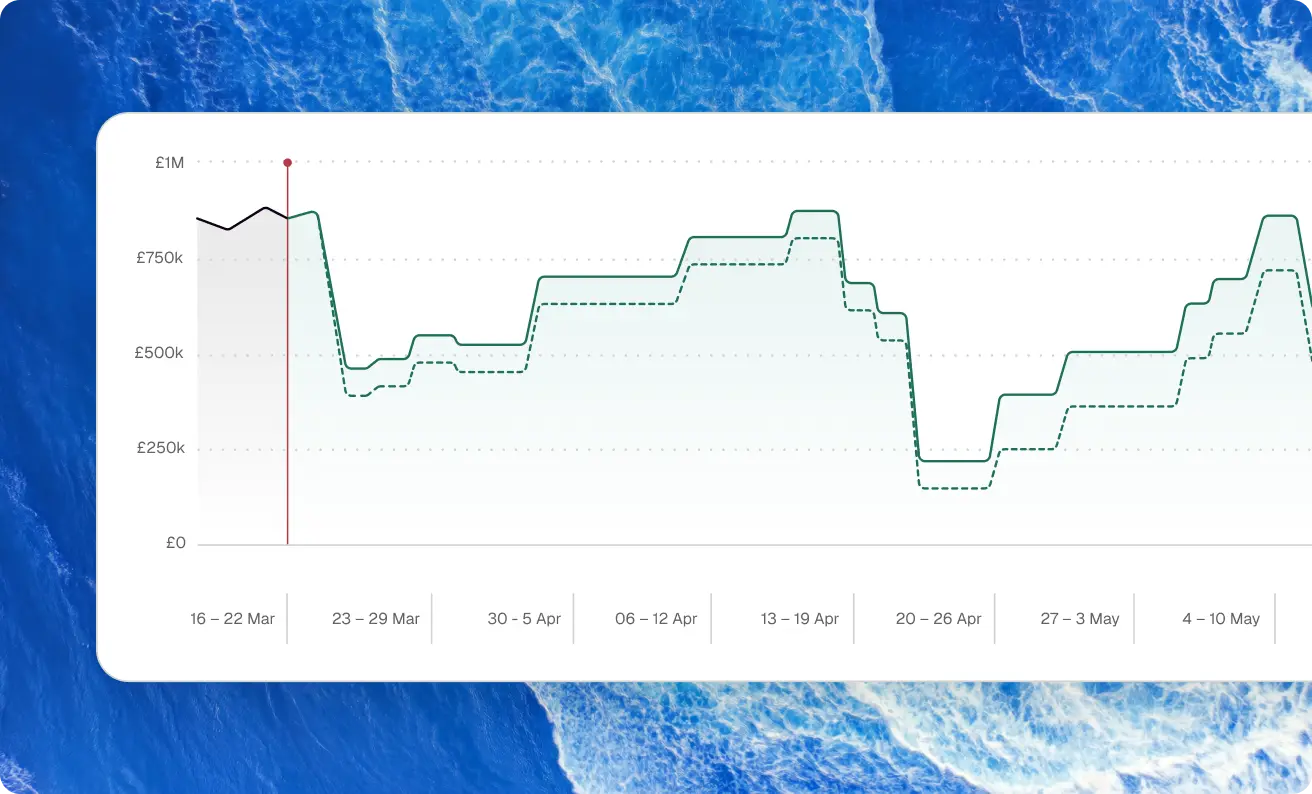
Cash Flow Forecasting
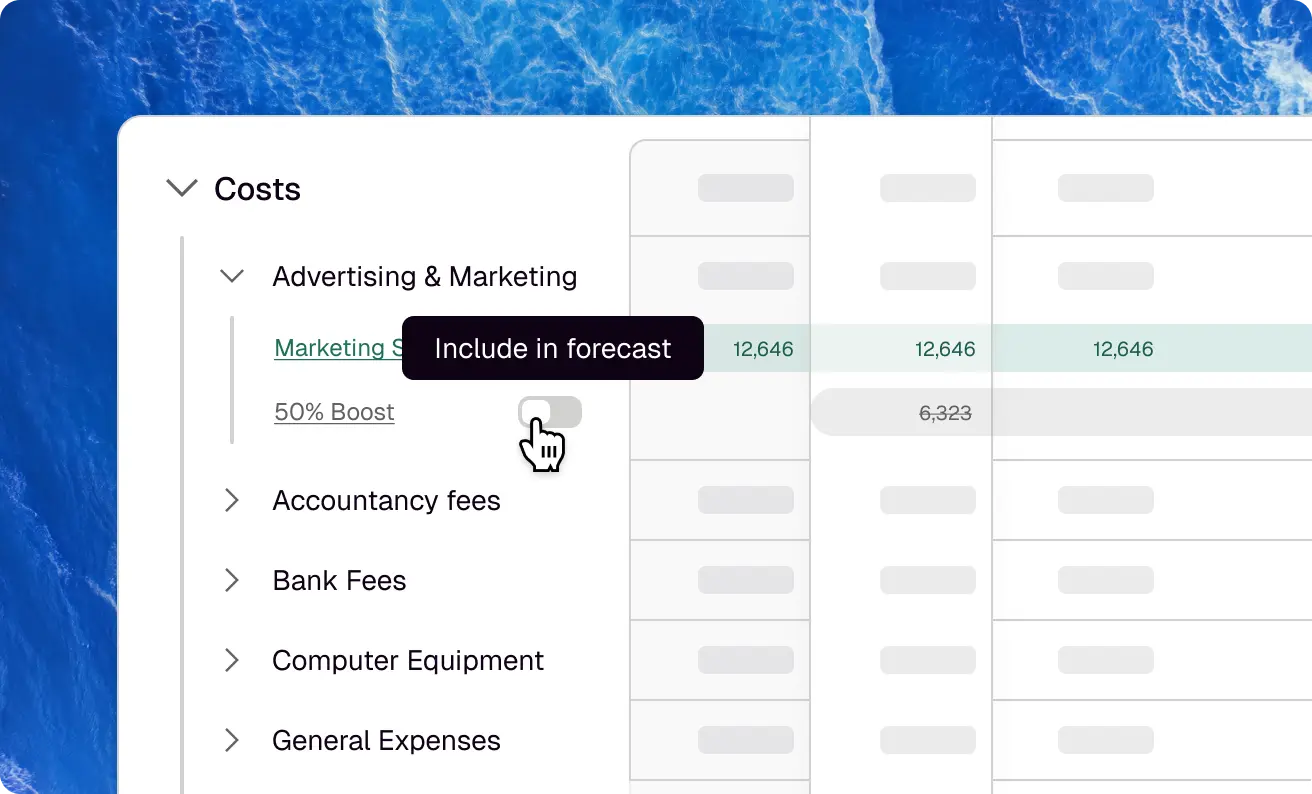
Scenario Planning
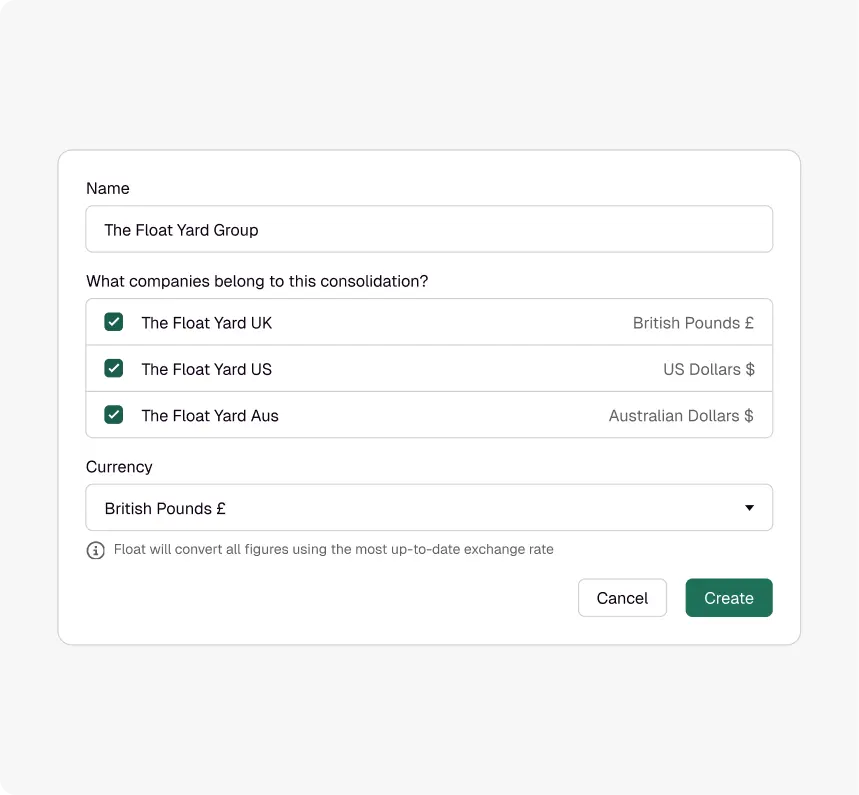
Multi-entity consolidation
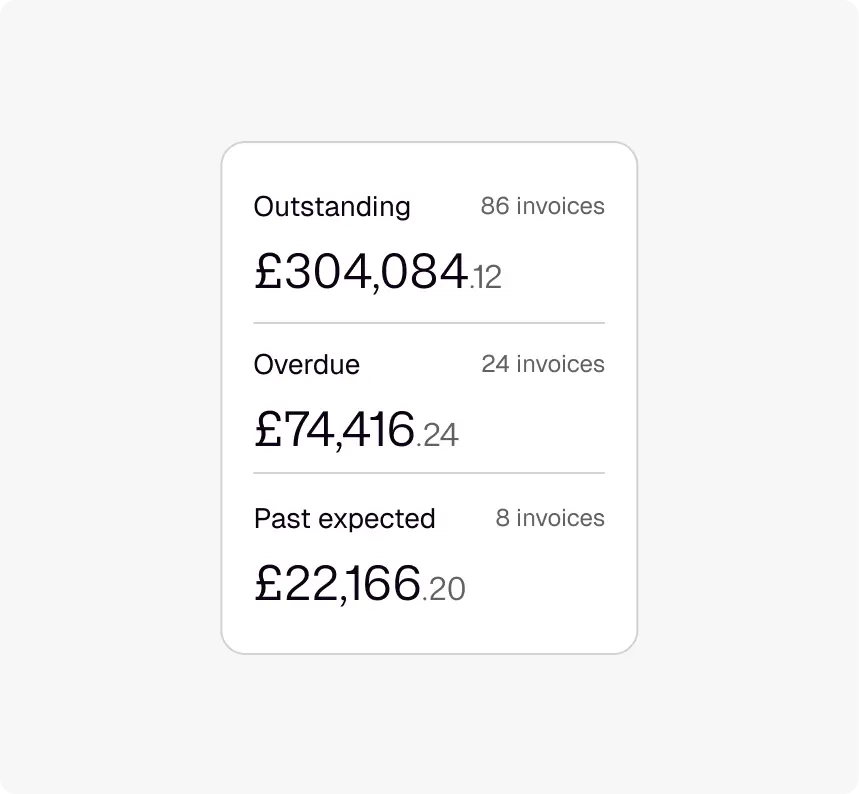
AR / AP visibility
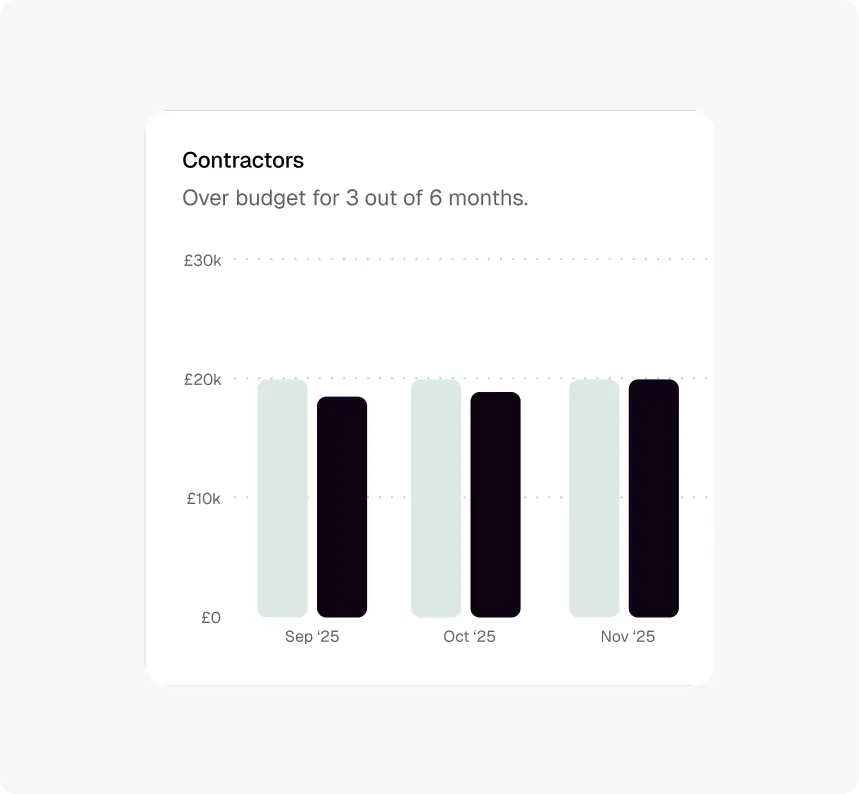
Budgets vs Actuals
Already using the QuickBooks Cash Flow Planner?
Here's where Float takes you further
Float is built for businesses that need to plan further ahead, test decisions before making them, and act on what they see.
 |  | |
Forecast horizon | Up to 14 months ahead (on the 24-month view) |  Up to 36 months ahead, plus a dedicated 13-week view |
Granularity | Monthly chart | Daily, weekly and monthly views |
How forecasts are built | Estimates based on historical bank-feed data | Your real invoices, bills and expected payment dates, plus budgets you control (with automatic suggestions) |
Scenario planning | Add/edit individual money-in and money-out items in a single view | Named scenarios - toggle up to 8 on and off side by side against your base forecast |
Budget vs actuals |  | Track predictions against reality, overall or by category |
AR/AP workflow | Overdue items drop out of the forecast unless you manually update each one | Every unpaid invoice and bill, with expected payment dates — see who to chase, what to pay, what to delay |
Credit card transactions | Excluded from the planner chart | Credit card accounts included in your forecast |
Multi-currency businesses | Unavailable when Multi-currency is enabled | Alternate-currency accounts, invoices and bills converted to your base currency automatically |
Multi-entity consolidation | Single company only (and unavailable in QBO Accountant) | Consolidate multiple companies into one group cash view |
Drill-down | Planner items aren't linked to your books | Every forecast line traces back to its QuickBooks bill, invoice or transaction |
Forecast updates | Built from linked bank account history | Auto-syncs with QuickBooks daily, plus on-demand import |
Sharing & reporting | CSV/PDF/XLS export | Visual forecasts, scenarios and consolidations you can export and share with your team, board or bank |
What QuickBooks Online users say about Float

Got questions?
We have answers
Yes. Float uses your QuickBooks base currency and automatically converts alternate-currency bank accounts, invoices and bills, so your whole forecast displays in one currency. Click into any converted item to see the original currency and exchange rate. (Note: QuickBooks' own Cash Flow Planner is unavailable entirely when Multi-currency is enabled.)
Yes. Float can consolidate multiple companies into a single group-level cash flow view (converting currencies automatically), while keeping each company's forecast separate.
Connect Float to QuickBooks Online in about three minutes. Float automatically imports your data daily- invoices, bills and expected payment dates along with reconciled transactions -and keeps your forecast up to date. You can also run a real-time sync whenever QuickBooks has just been updated. The connection is one-way and read-only, so Float can never change anything in your QuickBooks account.
Go to Reports → Financial planning → Cash flow planner. For historical cash flow, run the Statement of Cash Flows report under Reports.
Yes. QuickBooks Online includes a Cash Flow Planner that estimates money in and out using your bank account history, up to 14 months ahead. It's a useful quick view, but it excludes credit card transactions, isn't available when Multi-currency is on, and doesn't offer scenario comparison, budget vs actuals tracking, AR/AP payment-date management or multi-entity consolidation. For decision-grade forecasting up to 36 months ahead, QuickBooks users add Float.